April 28, 2026
Why Hands-On Cosmetology Training Matters More Than Watching Tutorials
Scroll through any social media platform and you’ll find an endless stream of beauty tutorials. From haircutting techniques to balayage transformations, it can feel like everything you need to know about cosmetology is just a few clicks away.
For someone exploring a career in the beauty industry, that can raise an important question:
Do you really need formal training, or can you learn it all online?
While tutorials can be a helpful introduction, they are not a substitute for structured, hands-on cosmetology training.
In fact, relying on videos alone can leave significant gaps in both skill and confidence. For those considering a future in cosmetology, understanding the difference between watching and doing is essential.
Here’s why hands-on training matters—and why it plays such a critical role in preparing for a successful career in the field.
Watching Isn’t the Same as Doing
Tutorials are designed to demonstrate techniques, not to teach mastery. When you watch a professional stylist perform a service, you see the finished result and the general process. What you don’t experience is the physical coordination, timing, and adaptability required to execute that same service on your own.
Cosmetology is a tactile profession. It involves understanding the weight of your tools, the texture of different hair types, and the subtle adjustments needed to achieve consistent results. These are not skills that can be absorbed passively.
Hands-on training bridges that gap. From the beginning, students practice techniques themselves, learning through repetition and real-time correction. Instead of simply observing a haircut, they learn how to section hair properly, maintain control, and refine their technique with each attempt.
That distinction, between observation and execution, is what transforms interest into ability.
Real-Time Feedback Accelerates Learning
One of the biggest limitations of online tutorials is the absence of feedback. When something goes wrong, there is no one there to correct your approach or explain what needs to change.
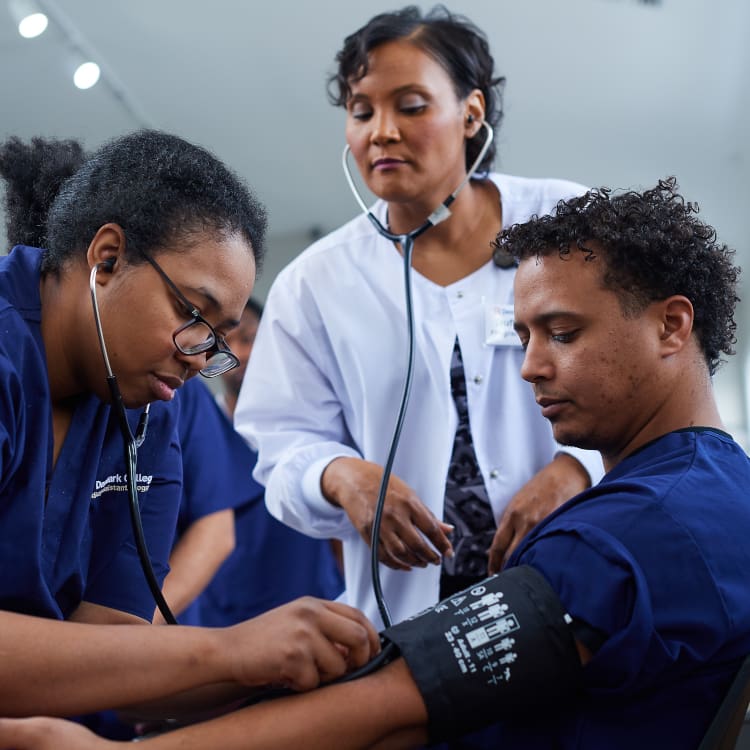
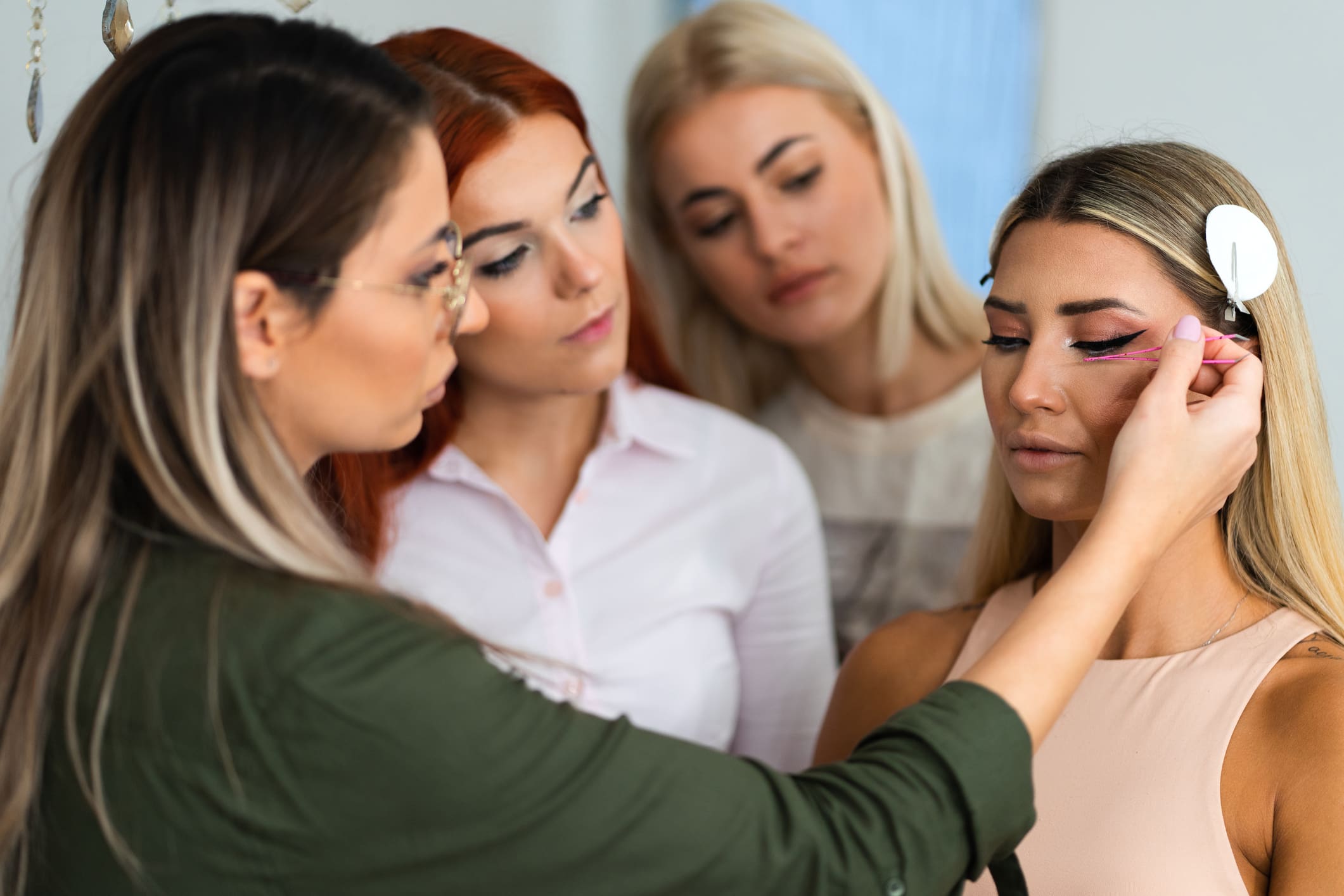
In a hands-on training environment, instructors provide immediate guidance. They can identify small mistakes before they become habits and offer adjustments that improve both technique and efficiency. This feedback loop is critical, especially in the early stages of learning.
For example, a slight change in how you hold your shears or apply color can dramatically affect the outcome. Without expert input, it can take far longer to recognize and correct those issues.
Hands-on training shortens the learning curve by ensuring that students are not just practicing but practicing correctly.
Working With Real Clients Builds Confidence
There is a significant difference between practicing on mannequins and working with real people. While mannequins are useful for learning fundamentals, they cannot replicate the variability of real clients.
Every client brings something different to the chair:
- Unique hair textures and densities
- Personal preferences and expectations
- Questions and concerns about the service
Learning how to navigate these variables is an essential part of becoming a professional cosmetologist.
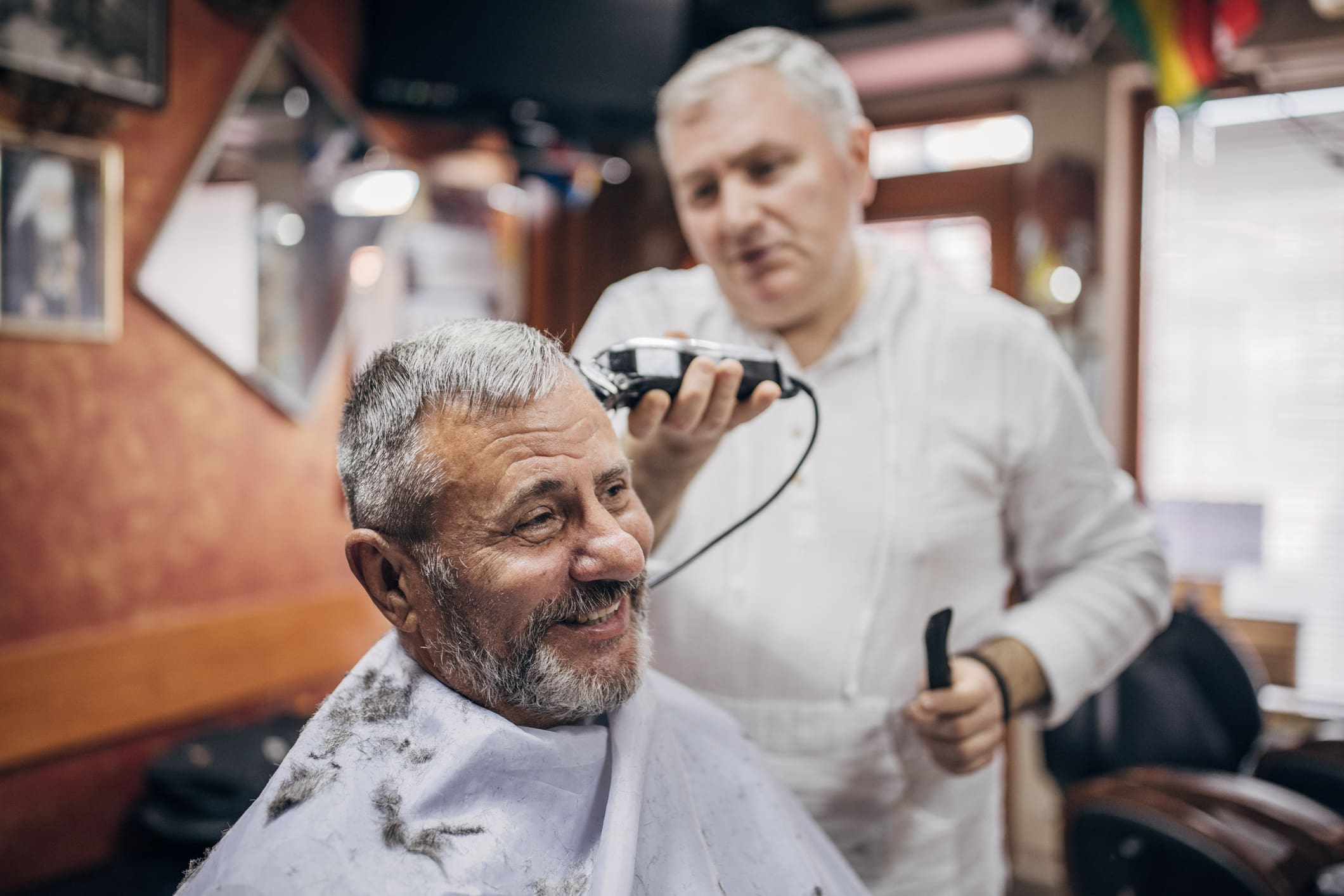
Hands-on training programs introduce students to real client interactions in a supervised setting. This allows them to develop not only technical skills but also communication, professionalism, and customer service. Over time, students become more comfortable managing consultations, setting expectations, and delivering results.
Confidence grows through experience, and experience comes from doing the work, not watching someone else do it.
Professional Standards Go Beyond Technique
Cosmetology is not just about creativity; it is also a regulated profession. Licensed cosmetologists are expected to follow strict standards related to sanitation, safety, and client care.
These standards are not always emphasized in online tutorials, but they are a central focus of formal training.
Students learn:
- Proper sanitation and disinfection procedures
- Safe handling of tools and chemicals
- State regulations and licensing requirements
- Professional conduct in a salon environment
Understanding these elements is essential for both passing the state licensing exam and building trust with clients. A visually impressive result means little if it is not achieved safely and professionally.
Hands-on training ensures that these standards are not just understood but consistently practiced.
Building Speed and Efficiency Takes Practice
In a professional setting, time matters. Clients expect services to be completed efficiently without sacrificing quality. This requires more than technical knowledge; it requires repetition and refinement.
Watching tutorials can introduce techniques, but it does not develop speed. Only through consistent practice can students learn how to manage their time, organize their workflow, and deliver reliable results within a set appointment window.
Hands-on training environments simulate real salon conditions, helping students build the pace and consistency needed for success after graduation.
Developing a Personal Style and Skill Set
One of the most rewarding aspects of cosmetology is the ability to develop a personal style. Over time, many professionals gravitate toward specific techniques or services that align with their strengths and interests.
However, finding that direction requires exposure to a wide range of skills.
Hands-on training programs introduce students to multiple areas of cosmetology, including:
- Hair cutting and styling
- Coloring techniques
- Texturing services
- Basic skin and nail care
- Makeup application
By working through each of these areas, students gain a broader understanding of the industry and can begin to identify what they enjoy most. This foundation makes it easier to specialize later and build a career that feels both sustainable and fulfilling.
Preparing for Licensing and Employment
In Indiana, becoming a licensed cosmetologist requires completing an approved training program and passing a state exam. Tutorials alone cannot fulfill these requirements.
More importantly, employers and clients expect a level of professionalism and preparedness that comes from formal training.
Hands-on programs are designed to prepare students for both licensing and employment by combining:
- Technical instruction
- Practical experience
- Industry standards
- Client interaction
At Denmark College in Merrillville, students engage in this type of structured learning environment, gaining the experience needed to transition from training to a professional setting.
The Difference Between Interest and Career Readiness
Watching tutorials can spark interest. It can inspire creativity and introduce new ideas. But turning that interest into a career requires a deeper level of commitment and preparation.
Hands-on cosmetology training provides that foundation. It transforms passive learning into active skill development, supports confidence through experience, and prepares students for the expectations of the industry.
For anyone serious about pursuing cosmetology as a profession, the question is not whether tutorials are helpful, they can be, but whether they are enough. In most cases, the answer is no.
A successful career in cosmetology is built through practice, guidance, and real-world experience. And that journey begins by stepping into a learning environment where you are not just watching the work but doing it.